
.avif)
.avif)
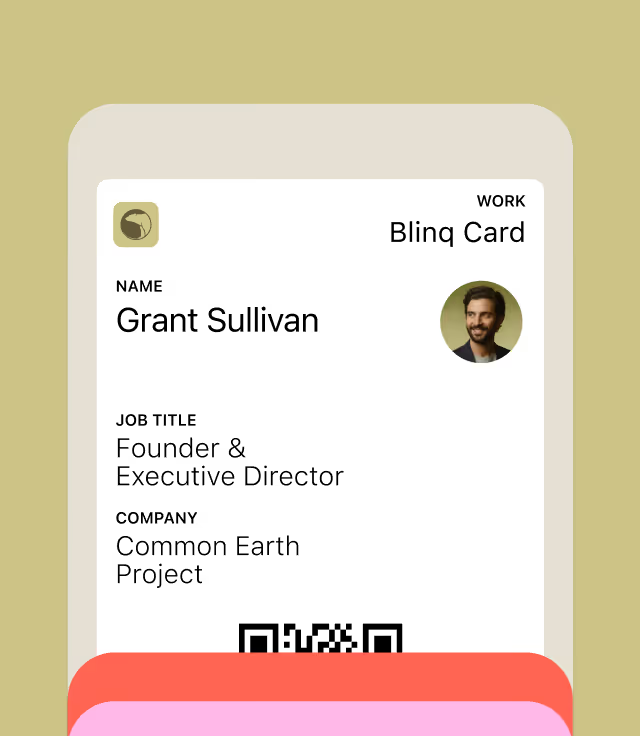



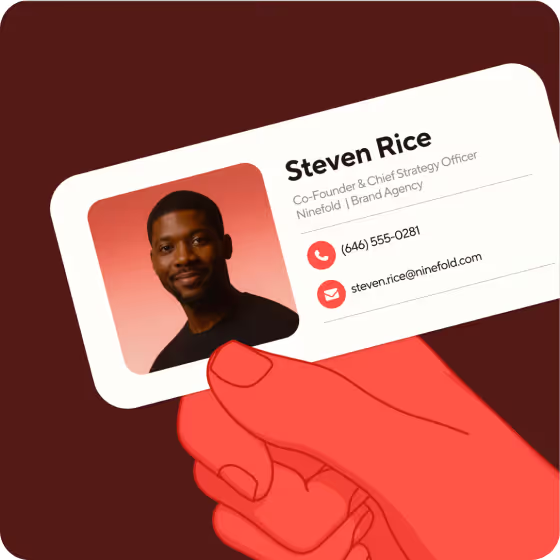
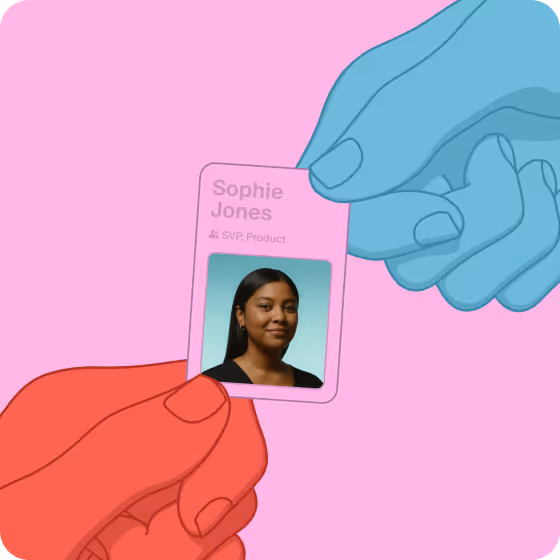


You're managing registration at a conference when a potential sponsor approaches. They want to discuss partnership opportunities, but you're juggling three tasks at once. You pull out your business card, and only realise once you’ve handed it over that it still lists your old title from six months ago… oops.
This is the event organizer's challenge. You're constantly meeting vendors, sponsors, speakers, and attendees who could become valuable connections. But paper cards get outdated the moment you print them, and tracking who you met at which event becomes impossible when contacts are scattered across your phone, email, and random sticky notes.
Digital business cards solve this by keeping your information up-to-date across every interaction and automatically organizing the connections you make. No more outdated cards. No more lost leads. No more wondering which vendor you met at the trade show or the networking mixer.
This guide walks through the best digital business card platforms for event organizers in 2026, focusing on features that matter when you're building relationships across dozens of events, like team consistency, offline reliability, and trackable networking results.
Key Takeaways (TL;DR)
- Team branding consistency matters when multiple staff members are representing your organization at conferences and trade shows
- Offline mode is essential because event WiFi is notoriously unreliable, and you can't afford technical issues while networking
- Automated CRM sync saves hours by eliminating manual data entry after multi-day events with hundreds of contacts
- Blinq holds the #1 G2 rating for overall performance and ease of use, making it the top choice for event organizers who need team management and reliable offline functionality
- Contact notes and tags help you remember context when you're meeting dozens of people per event and need to recall specific conversations weeks later
- Environmental impact adds up when you're printing thousands of paper cards annually for staff across multiple events
Why Event Organizers Need Digital Business Cards
Event organizing means you're always networking. Every conversation could lead to your next partnership, speaker, or venue connection, whether you’re on the conference floor, at a vendor meeting, or sponsor dinner. But opportunities only convert when you can capture the lead properly and follow up before they commit elsewhere.
Paper business cards create specific problems for event professionals. You print 500 cards for your team before a conference series, then realize halfway through that your new business development manager isn't included. Or your email address gets updated and now you're stuck handing out cards with outdated information for the next three months. The waste adds up, and so does the unprofessional impression.
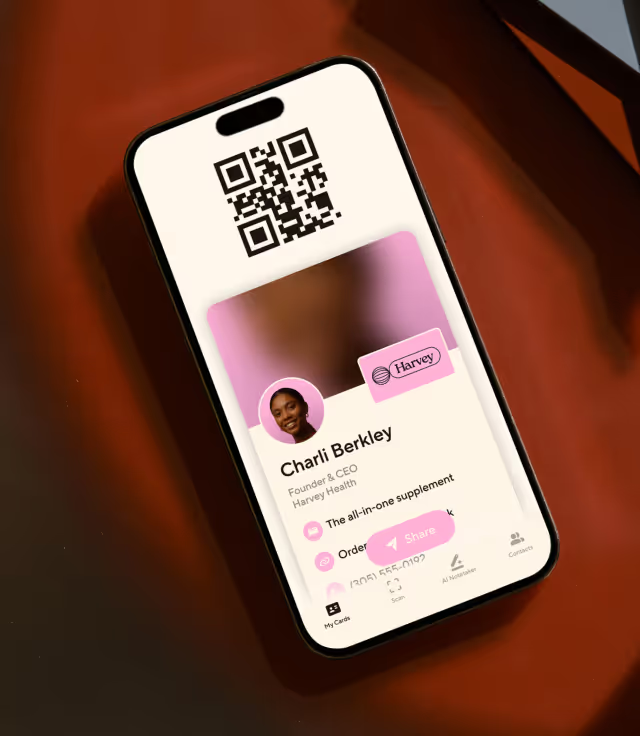
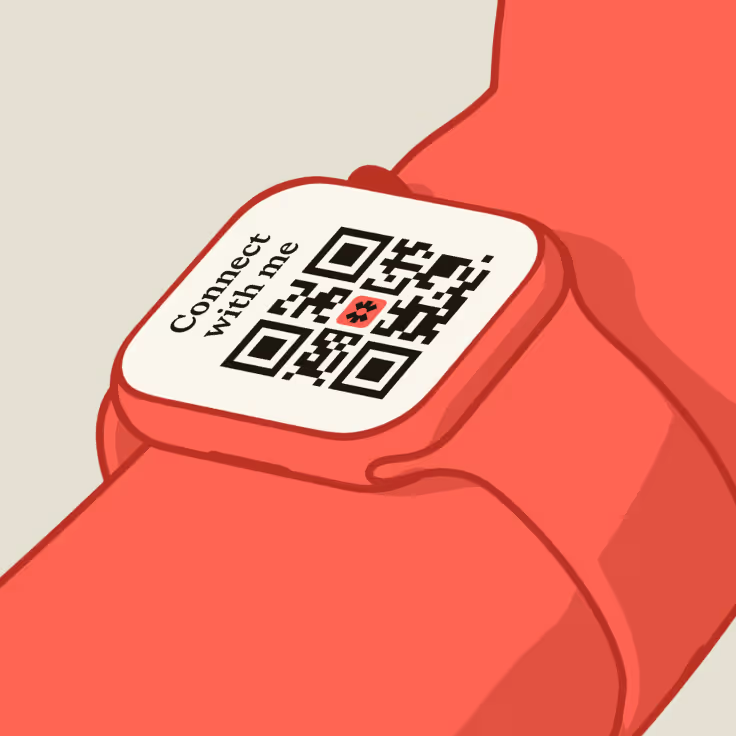
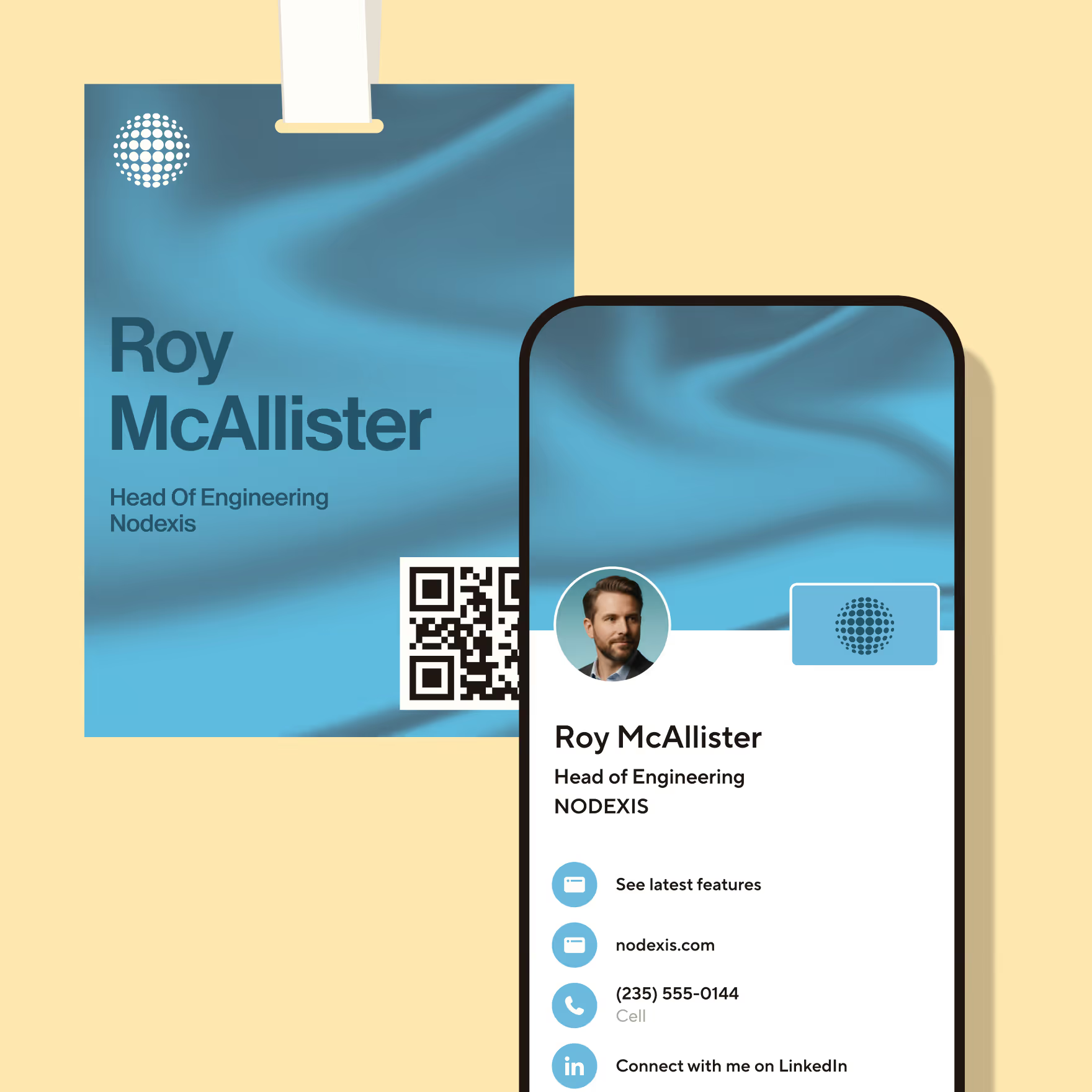
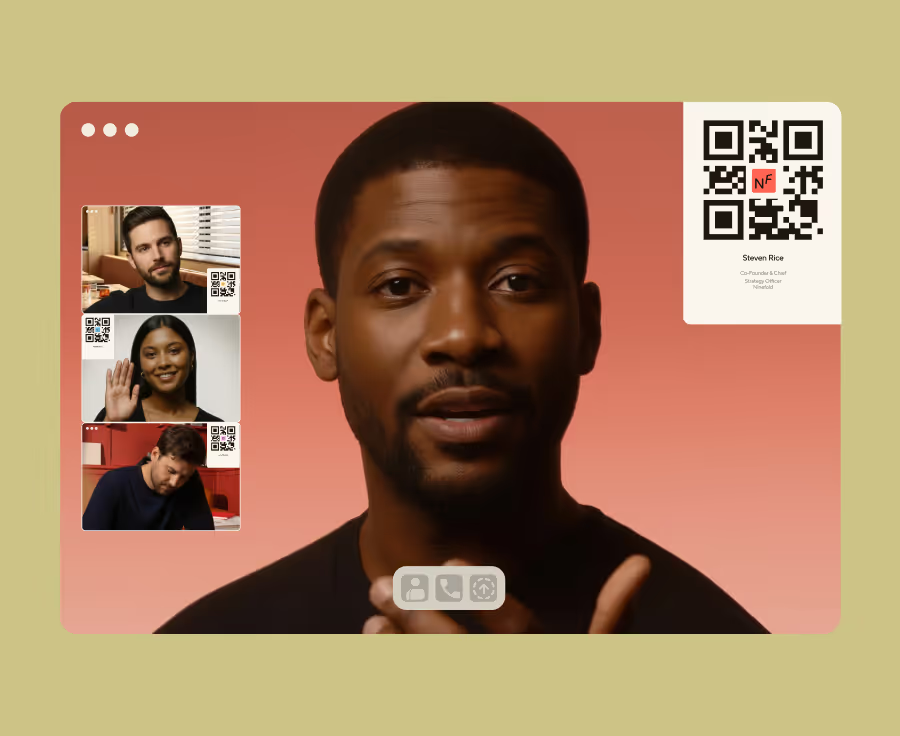
Digital business cards remove that friction entirely. Share your information via QR code or link, and it goes directly into their phone. When your role changes or team expands, update once and the changes appear everywhere instantly. No printing delays, wasted inventory or explaining why the card says one thing while you say another.
Team consistency is also especially important for event organizers. When you've got staff scattered across a conference floor or working different trade shows, everyone needs to present the same professional brand. Digital cards let you maintain that consistency while giving each team member their personalized information. It signals that your organization pays attention to details, which is exactly the message you want to send when you're asking people to trust you with their events.
For organizers tracking connections across multiple events, digital cards provide visibility into what's working. You can see which events generated qualified leads, which team members are making the strongest connections, and where to focus your networking efforts. That data helps you invest time in the right venues and partnerships instead of just attending everything.
Evaluating Digital Business Card Options for Event Organizers
Not every digital business card platform works well for event professionals. Some lack the offline mode you need when conference WiFi fails. Others don't offer team management features for coordinating multiple staff members across different events.
We tested the top platforms using feedback from 50+ event professionals across conferences, trade shows, and networking events to find out what matters most. Each platform was evaluated on team management capabilities, offline reliability, ease of use in high-pressure situations, and long-term value.
The evaluation focused on six areas that directly impact your ability to network effectively at events:
Team Management and Consistency: Can you onboard new staff quickly? Does everyone present the same professional brand? Can you update information across your entire team at once?
Offline Reliability: Does your card work when conference WiFi is overloaded or nonexistent? Can you still capture contacts in basement venues or outdoor events?
Ease of Use Under Pressure: How quickly can you share your card while managing registration? Does it work smoothly when you're juggling multiple conversations?
Contact Organization: Can you tag leads by event, add notes about conversations, and sync everything to your CRM automatically? Or are you stuck with manual data entry after each event?
Professional Features: Does your card look polished enough for high-level sponsor meetings? Can you add it to email signatures for ongoing touchpoints?
Practical Value: What's the real cost when you factor in printing savings across your team? Are there hidden fees that add up as your organization grows?
These criteria helped us identify platforms that solve real event organizer problems versus those designed for individual freelancers or corporate sales teams.
The Top 7 Digital Business Cards for Event Organizers
1. Blinq
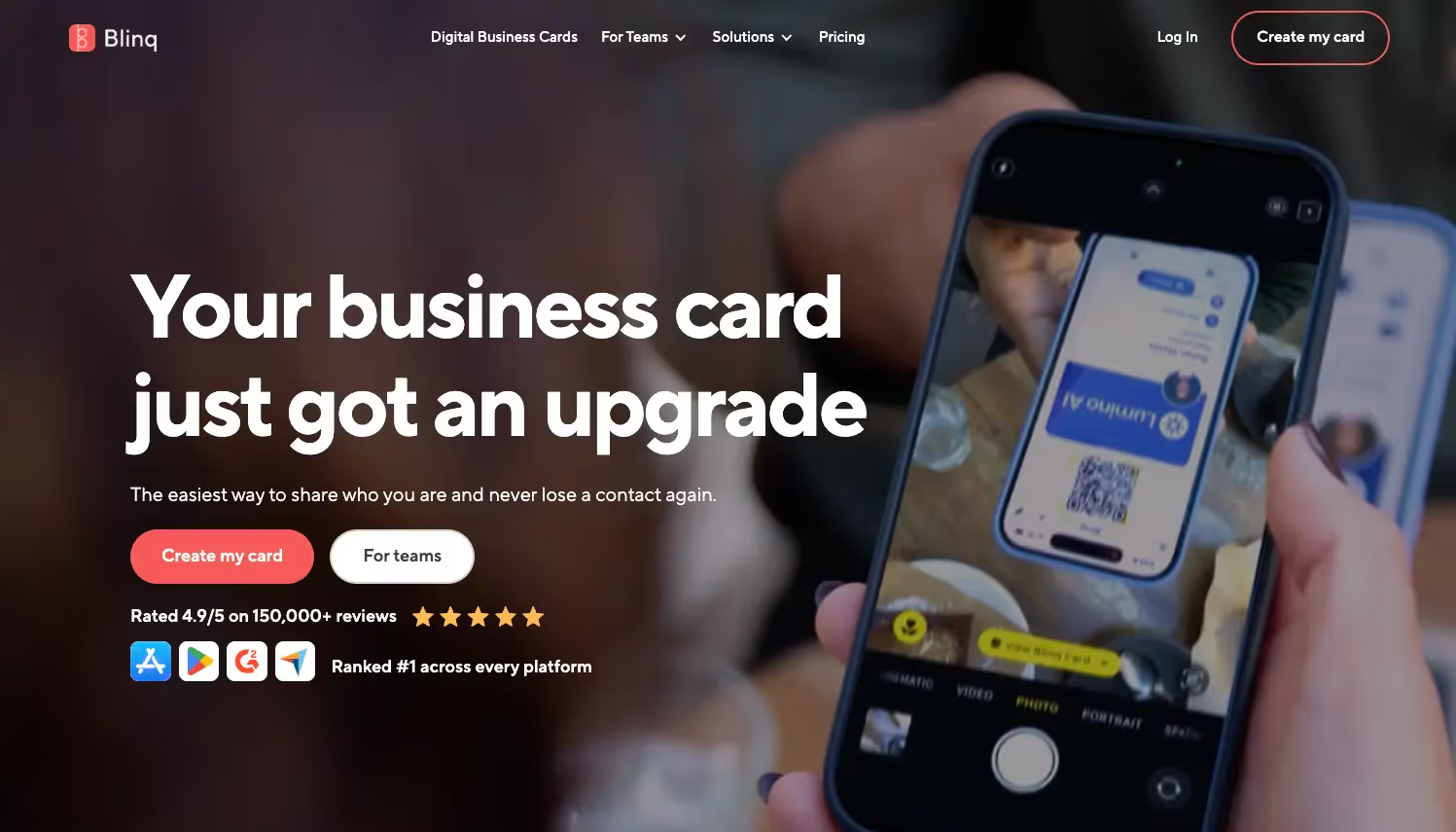
Blinq gives event organizing teams complete control over their professional presence while making team management effortless. Instead of coordinating physical card orders across staff members, you can onboard new team members in minutes and maintain consistent branding across every interaction. Blinq has a 4.9/5 star rating across 150,000+ reviews and holds the #1 rating on all platforms, including on G2 for their overall performance and ease of use.
Use Case
Event organizers use Blinq to maintain professional consistency across their team while networking at conferences, trade shows, and networking events. The platform handles both the front-facing presentation and the behind-the-scenes contact management to help you convert conversations into partnerships.
Key Features
- Automated team onboarding brings new staff members onto the platform in minutes with enforced branding standards, eliminating the wait time for physical card printing
- Full offline mode ensures your card works perfectly even when conference WiFi fails or you're at outdoor events with no connectivity
- Native CRM integration automatically syncs contacts into your system with enriched data, eliminating hours of manual entry after multi-day events
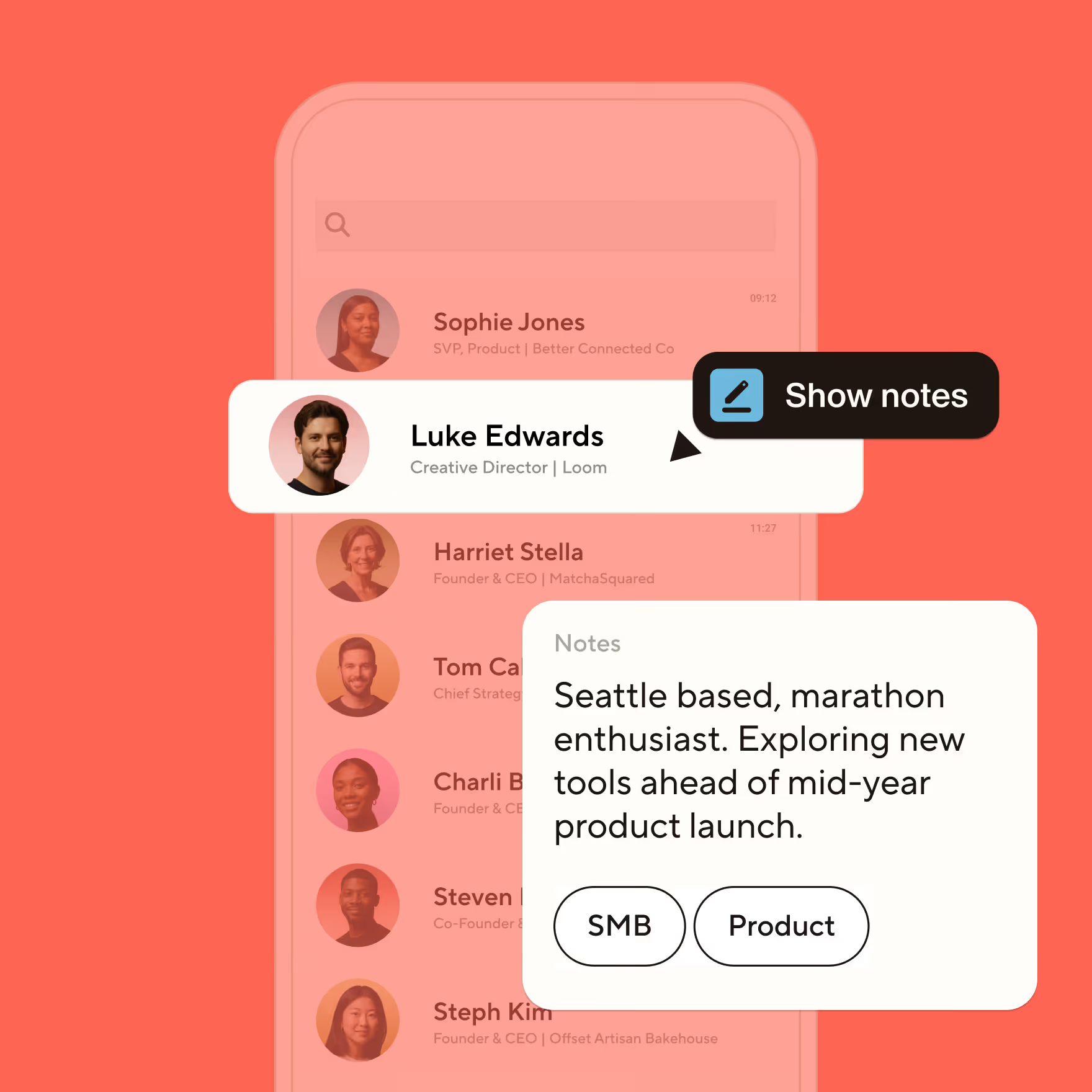
- Contact notes and tags let you add context immediately after conversations so you remember which vendor specializes in AV when you follow up weeks later
- Complete branding control maintains visual consistency across your entire team while personalizing each member's information
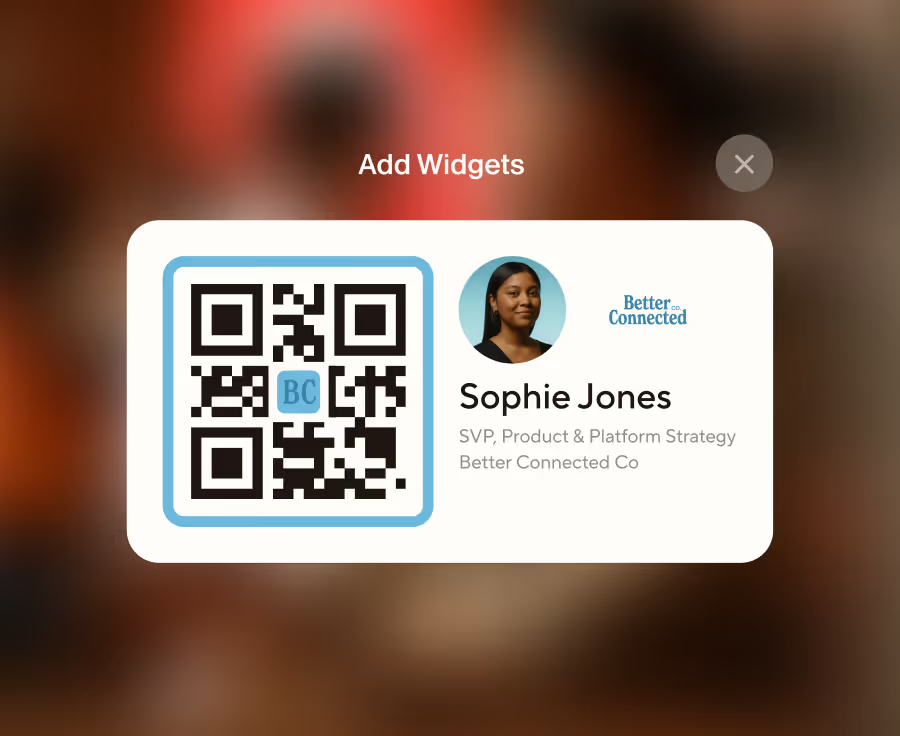
- Home screen widget makes sharing instant. Your card is always one tap away even when you're juggling registration tablets and attendee questions
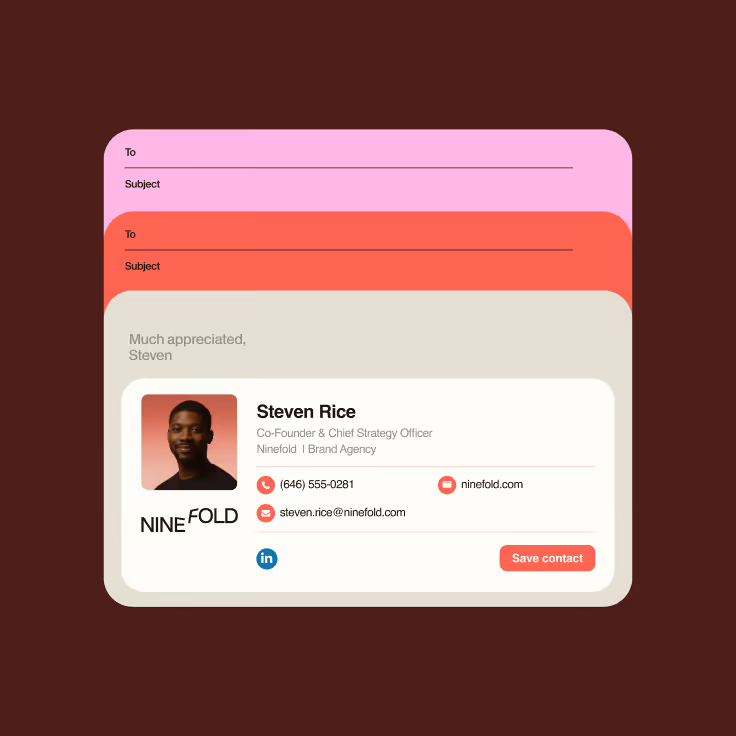
- Email signature integration keeps your professional presence consistent across all touchpoints, not just in-person meetings
- User management at scale gives you admin controls for coordinating team access across growing organizations
Pricing
- Free: $0 forever (2 cards, unlimited scans and contacts)
- Premium: $7.33/card/month (5 cards, branding and contact features)
- Business: $4.99/card/month (team management, integrations, analytics)
- Enterprise: Custom pricing (enforced SSO, advanced analytics, custom agreements, priority support)
- Annual billing saves 30%; multi-year discounts available for teams
Why Blinq Wins for Event Organizers
The team management capabilities in Blinq solve problems specific to event professionals. When you need to add temporary staff for a major conference, automated onboarding means they're ready in minutes instead of waiting days for physical cards. When someone's role changes, update once and it reflects everywhere. This flexibility matters when you're coordinating multiple staff members across different events.
Offline mode is essential for event professionals because conference WiFi is notoriously unreliable. Blinq works perfectly whether you're in a basement ballroom, an outdoor festival, or a venue where 2,000 people are all trying to connect simultaneously. You never face the awkward moment of fumbling with technology while someone waits to save your contact.
The CRM integration eliminates the post-event data entry nightmare. After a three-day conference where you've met 200 people, contacts automatically sync with enriched company information and social profiles. Tags let you categorize by event, prospect type, or follow-up priority. This organization prevents promising leads from getting lost in the chaos of managing multiple events.
Professional features like complete branding control ensure your team presents a consistent image whether they're working a registration desk or attending a VIP sponsor dinner. The home screen widget removes friction from high-pressure situations so you can share your card instantly without interrupting your workflow. These details add up to a seamless experience that reinforces your professional reputation.
2. Mobilo
Mobilo offers digital business cards with team features designed for sales organizations. The platform provides solid functionality but at a price point that reflects its enterprise focus.
Use Case
Sales teams use Mobilo to track networking interactions and manage leads through analytics dashboards.
Key Features
- Team management tools with activity dashboards
- CRM integrations with major platforms
- Physical NFC cards available for tap-to-share
Pricing
- Pro: $0 (1 card)
- Teams: $4/card/month (billed annually)
- Business: $5/card/month (billed annually)
Considerations
- Higher price point adds up quickly for event teams, especially when coordinating temporary staff for seasonal conferences
- Limited offline capability creates problems at venues with poor connectivity, which describes most conference centers during peak attendance
- Sales-focused features mean you're paying for functionality designed for different workflows than event organizing requires
3. Wave
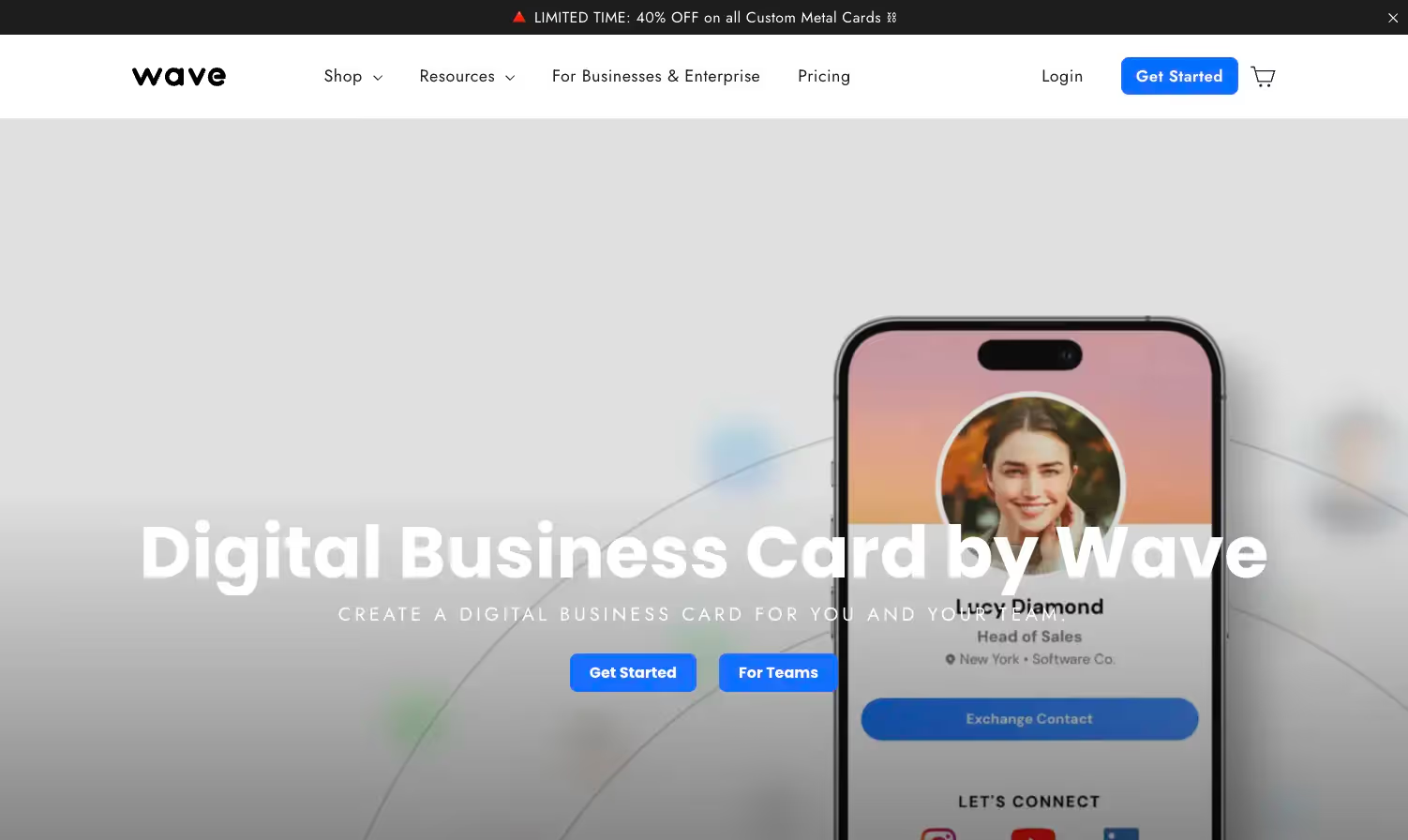
Wave provides straightforward digital business cards with basic team features suitable for small event organizations just getting started.
Use Case
Small teams use Wave for simple contact sharing without complex requirements.
Key Features
- Free basic tier for testing digital cards
- Clean interface with quick setup
- Email signature integration
Pricing
- Professional: $0 (only available with NFC card purchase)
- Business: $6-8/card/month (billed annually)
- Enterprise: $7/card/month (billed annually)
Considerations
- No offline mode means you can’t share cards when WiFi fails, which happens frequently at conferences and trade shows
- Basic team controls don't provide the user management and admin visibility larger event organizations need
- Manual CRM export creates extra work moving hundreds of contacts into your system after major events
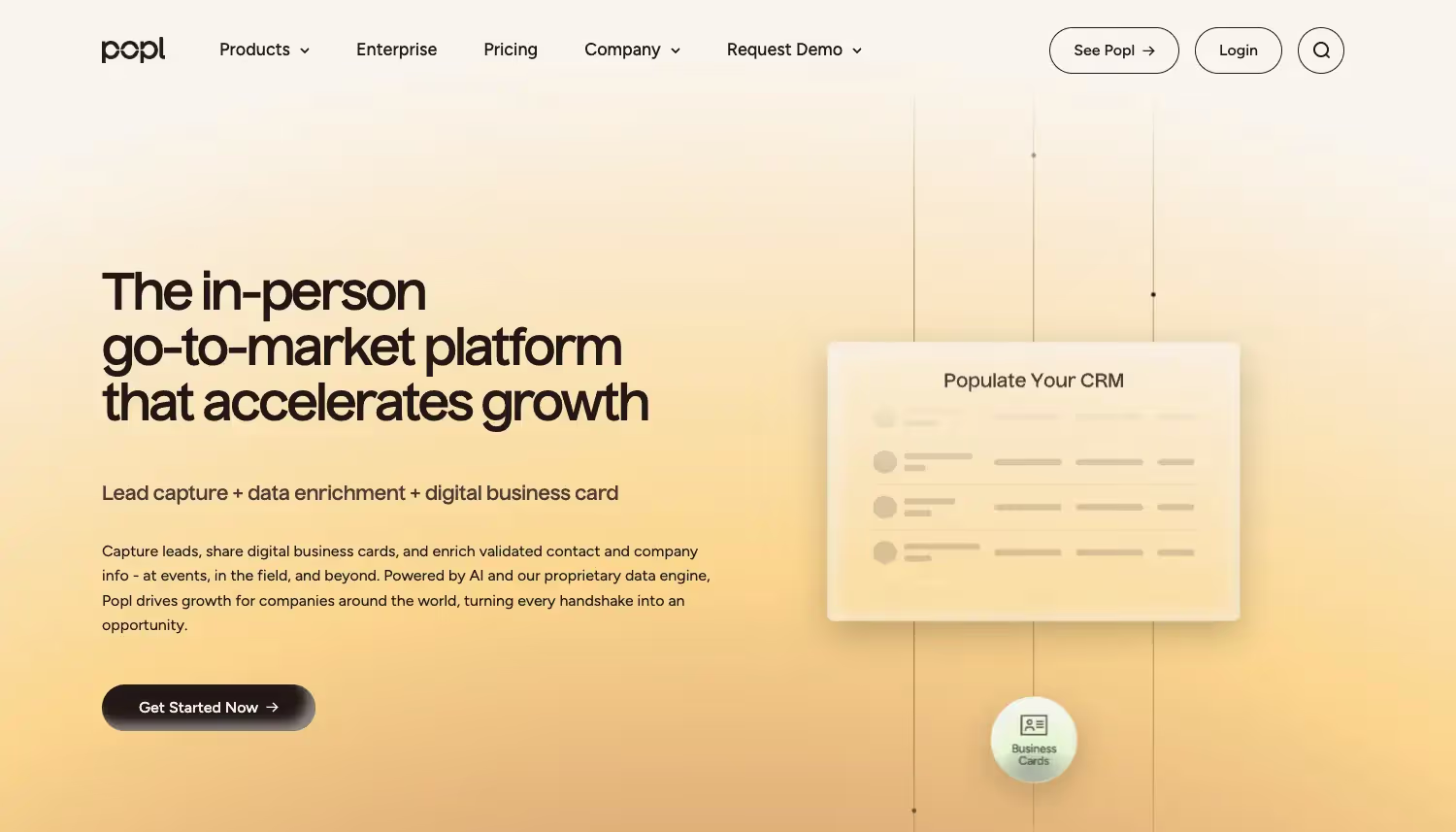
4. Popl
Popl combines digital profiles with physical NFC accessories targeting casual networking situations. The consumer-focused design may not project the professional image event organizers need.
Use Case
Individuals use Popl for casual networking with tap-to-share convenience through physical products.
Key Features
- Physical NFC products in various formats
- Mobile app for profile management
- Basic view analytics
Pricing
- Free: $0 (1 card)
- Pro: $6.49/card/month (billed annually)
- Pro+: $11.99/month (billed annually)
- Teams: Not specified
Considerations
- Hardware dependency means purchasing and distributing physical products instead of instant digital deployment for your team
- Limited team management lacks the admin controls and user visibility needed for coordinating staff across multiple events
- No offline functionality beyond NFC hardware creates reliability issues when connectivity fails
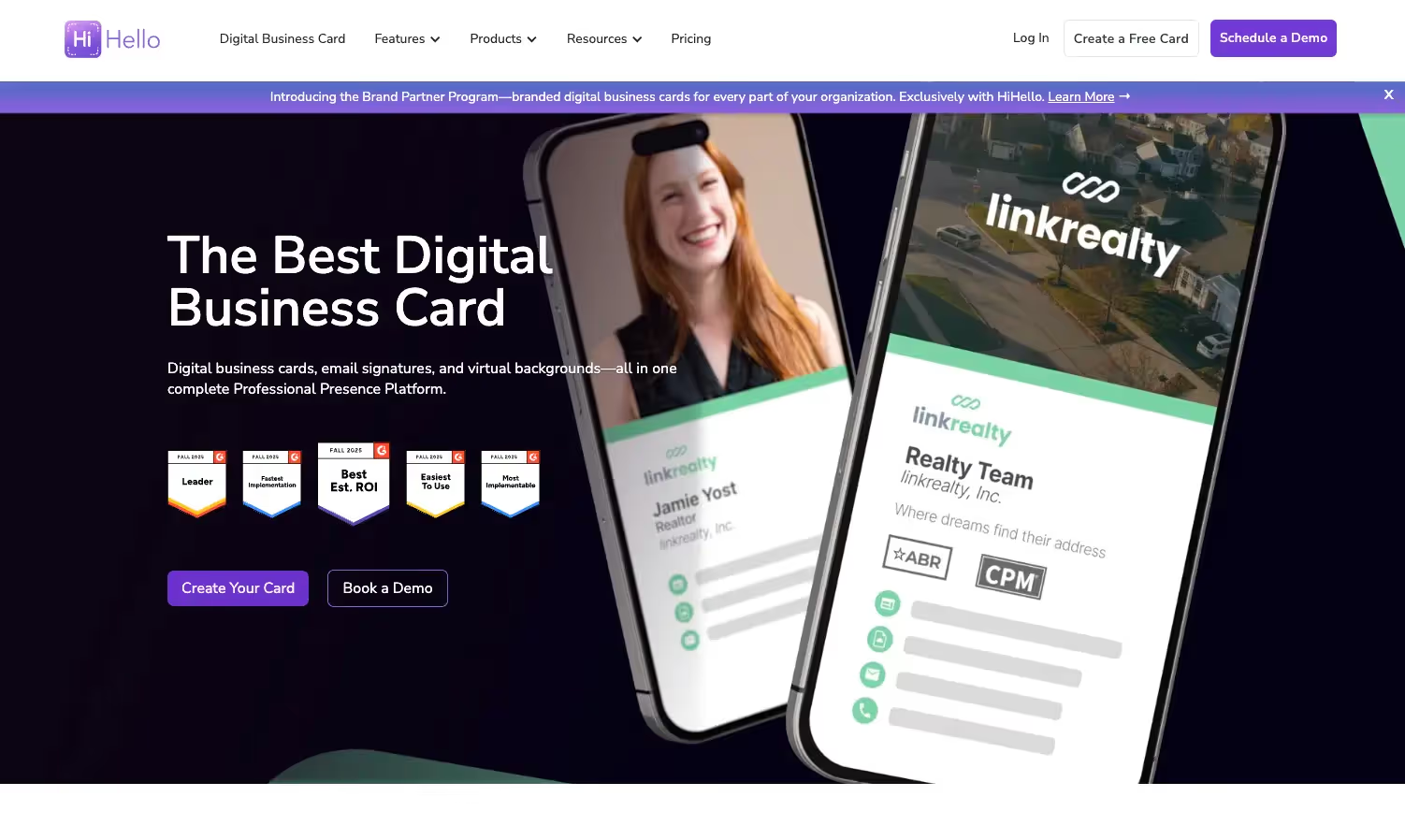
5. HiHello
HiHello offers digital business cards with basic customization and team directories. The platform handles fundamental contact sharing without advanced event-specific features.
Use Case
Small teams use HiHello for straightforward contact exchange and simple team organization.
Key Features
- Multiple card templates
- Team directories for organizing contacts
- QR code sharing
Pricing
- Personal: $0 (4 cards, limited scans)
- Professional: $6/card/month (billed annually)
- Business: $5/card/month (billed annually)
- Enterprise: Not specified
Considerations
- Manual CRM workflow requires exporting contacts individually rather than automated sync, creating hours of work after large events
- No offline mode means your card won't work when conference WiFi is overloaded or unavailable
- Basic team controls don't provide the management features needed for onboarding temporary staff or coordinating across multiple event venues
6. V1ce
V1ce manufactures premium physical NFC cards using materials like metal and wood. The focus on physical products creates logistics challenges for event teams.
Use Case
Professionals buy V1ce when they want high-end physical cards with linked digital profiles.
Key Features
- Premium materials including metal and carbon fiber
- Custom design services
- Digital profile hosting
Pricing
- Free: $0 (1 card)
- Plus: $10.16/card/month (billed annually)
- Plus Unlimited: $305.46/month (billed annually)
Considerations
- High per-person cost becomes prohibitive for event teams, especially when coordinating temporary staff for seasonal conferences
- Physical distribution logistics mean ordering, shipping, and managing inventory instead of instant digital deployment
- Limited software features focus on the physical product rather than the team management, CRM integration, and contact organization event professionals need
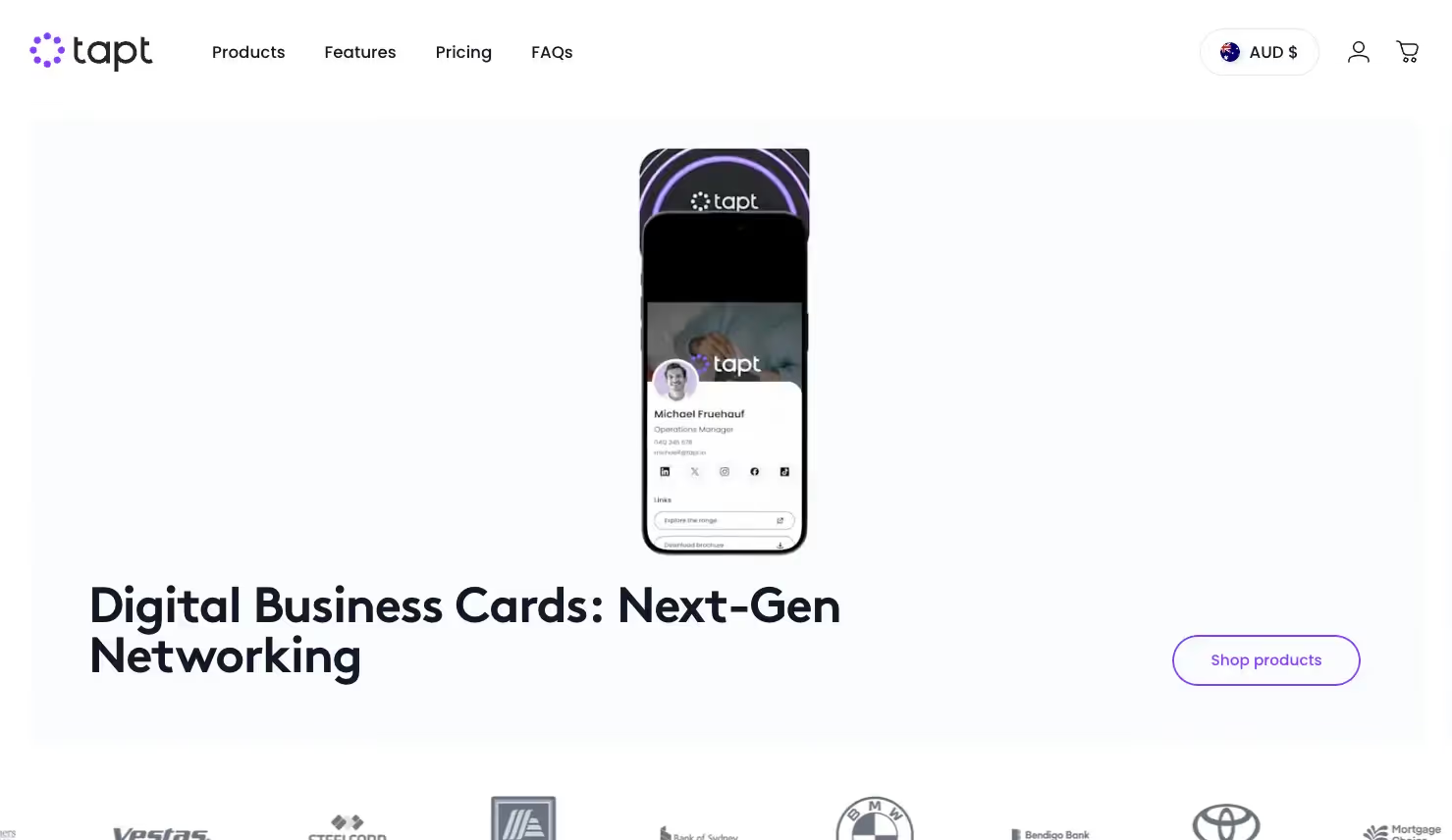
7. Tapt
Tapt produces affordable physical NFC cards as a budget alternative to premium options. The physical product model creates practical challenges for event teams.
Use Case
People buy Tapt when they want physical NFC cards at moderate prices.
Key Features
- Lower-cost physical cards
- Simple digital profile setup
- QR code fallback
Pricing
- Foundation: $0 (only available with NFC card purchase)
- Startup: $49/year (plus NFC card costs)
- Small business: $99/year (plus NFC card costs)
- Teams: Not specified
Considerations
- Physical product dependency means waiting for shipping and managing inventory instead of instantly onboarding new team members
- No team management lacks the admin controls needed for coordinating multiple staff members across different events
- Manual contact export creates post-event data entry work instead of automated CRM sync
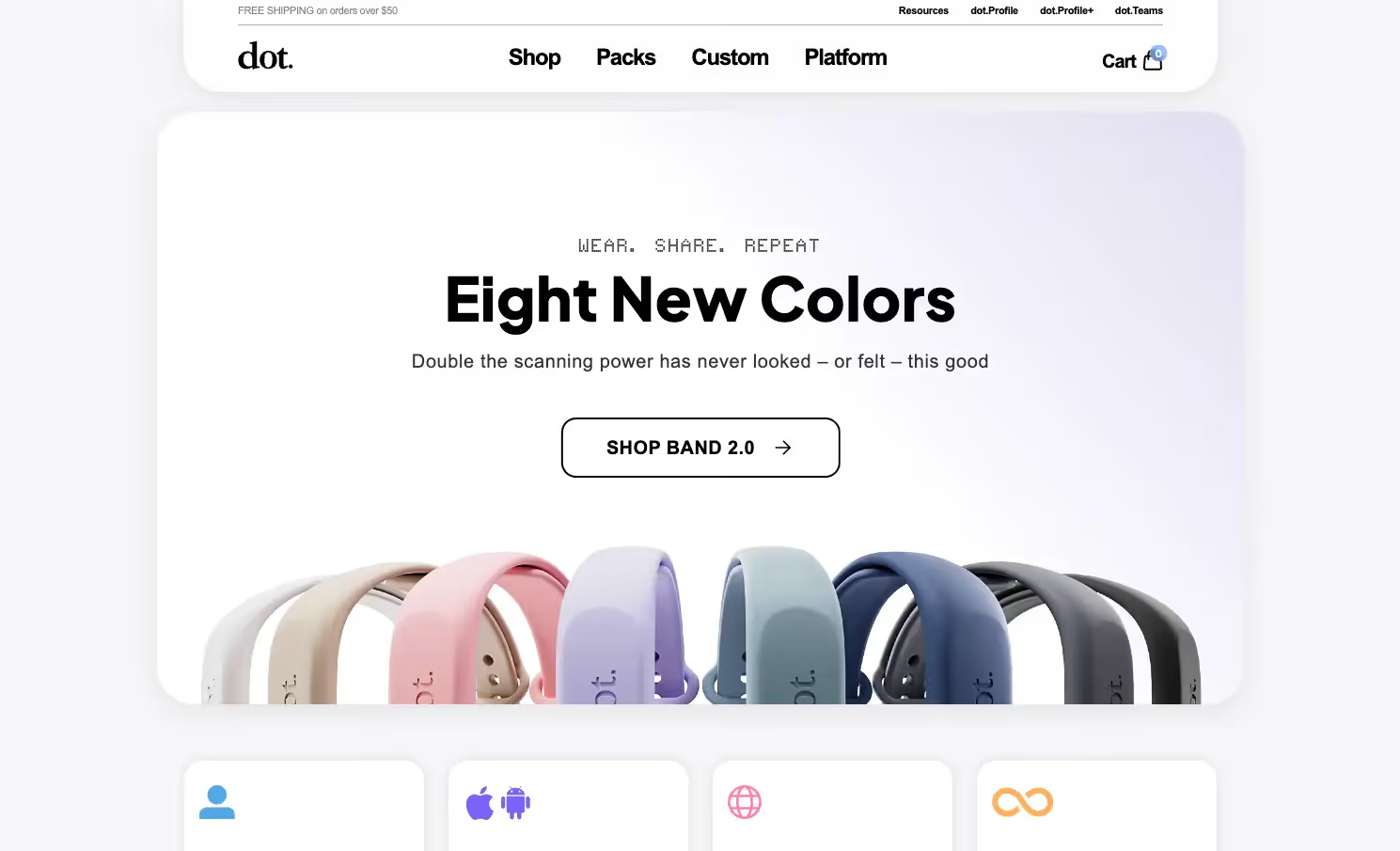
8. Dot
Dot offers physical NFC cards positioned between budget and premium alternatives. The hardware focus limits flexibility for event teams with changing staff needs.
Use Case
Professionals use Dot when they want physical cards at moderate pricing.
Key Features
- Physical NFC cards in multiple designs
- Digital profile linked to card
- Mobile app for updates
Pricing
- Free: $0 (only available with NFC card purchase)
- Professional: $8/card/month (plus NFC card costs)
- Essential: $8/card/month (for small teams, billed annually)
- Growth: $15/card/month (billed annually)
- Enterprise: Not specified
Considerations
- Physical card model creates logistics challenges when you need to quickly onboard temporary event staff
- Basic software capabilities lack the CRM integration, contact enrichment, and team management features event organizers need
- No offline software mode means relying entirely on NFC hardware, which doesn't help when you need to share contacts quickly while managing registration
Conclusion
Digital business cards have become essential for event organizers who need to maintain team consistency while networking across conferences, trade shows, and networking events. The right platform should handle both professional presentation and the behind-the-scenes team coordination that keeps everyone organized.
Blinq stands out because it solves the specific challenges event professionals face. Automated onboarding brings new staff members onto the platform in minutes, eliminating printing delays when you're staffing up for major conferences. Full offline mode ensures your card works perfectly even when venue WiFi fails. Native CRM sync with contact enrichment eliminates hours of manual data entry after multi-day events. Team management features give you the admin controls needed to coordinate staff across multiple venues.
Other platforms handle basic contact sharing but miss features essential for event professionals. Wave and HiHello lack offline mode, which is critical when conference WiFi is unreliable. Mobilo brings team features but at a price point designed for enterprise sales teams. Physical card platforms like V1ce, Tapt, and Dot create logistics challenges and lack the software capabilities that make digital cards valuable for coordinating teams.
The difference becomes clear when you're managing registration at a conference and can instantly share your card without connectivity issues, then watch all your contacts automatically sync to your CRM with organized tags and notes. That seamless experience, combined with consistent branding across your entire team, directly impacts how many conversations turn into valuable partnerships.
Ready to simplify team coordination and improve your networking results? Try Blinq to see how automated team management and offline reliability can boost your brand while reducing administrative overhead.
FAQs
Why do event organizers need team management features in their digital business cards?
Event organizing means coordinating multiple staff members across different venues and events. Team management features let you onboard new people quickly, maintain consistent branding, and update information organization-wide instead of individually. This matters especially when you're hiring temporary staff for seasonal conferences or when team roles change frequently. The alternative of coordinating physical card orders and managing inventory across your team creates delays and inconsistency.
How important is offline mode for digital business cards at events?
Offline mode is essential because conference WiFi is notoriously unreliable. When you've got 2,000 attendees trying to connect simultaneously, or you're working in a basement ballroom, or you're at an outdoor festival, connectivity fails. Platforms with full offline mode like Blinq let you share your card and capture contacts regardless of WiFi status. The data syncs automatically once you're back online. Without offline capability, you face awkward technical failures during important networking moments.
Can digital business cards really save money for event organizations?
The savings become significant when you calculate across your team over multiple events. If you've got 10 staff members attending 12 events annually, you're constantly reprinting cards as roles change, events vary, or contact information updates. At $50-100 per batch per person, you're spending thousands annually just on printing. Digital cards eliminate recurring printing costs while also saving the administrative time spent coordinating orders and managing inventory. For most event organizations, the platform pays for itself within the first year.
How do contact notes and tags help event organizers stay organized?
When you're meeting 50-200 people at a multi-day conference, remembering specific conversation details becomes impossible. Contact notes let you add context immediately, e.g. "interested in sponsoring tech events," "ask about AV needs," "follow up about venue partnership." Tags help you categorize by event, prospect type, or follow-up priority. This prevents promising leads from getting lost when you're back at the office weeks later trying to remember which vendor specializes in what.
What happens to your digital business card when your role or contact information changes?
With digital cards, you update once and the changes appear everywhere instantly. No more handing out cards with outdated titles or old email addresses while you wait for reprints, or explaining why your card doesn’t have all your current details.This flexibility matters especially for event professionals whose roles evolve or need different information on their card for different types of events. Physical cards lock you into whatever was printed until you order a new batch.
Can you customize cards differently for different team members while maintaining brand consistency?
Yes, platforms with complete branding control like Blinq let you maintain visual consistency (colors, fonts, logo placement) while personalizing each team member's specific information, role, and contact details. This means your registration coordinator, event manager, and business development director all present the same professional brand but with their relevant individual information. It creates consistency without sacrificing the personalization that makes each interaction feel direct and professional.